
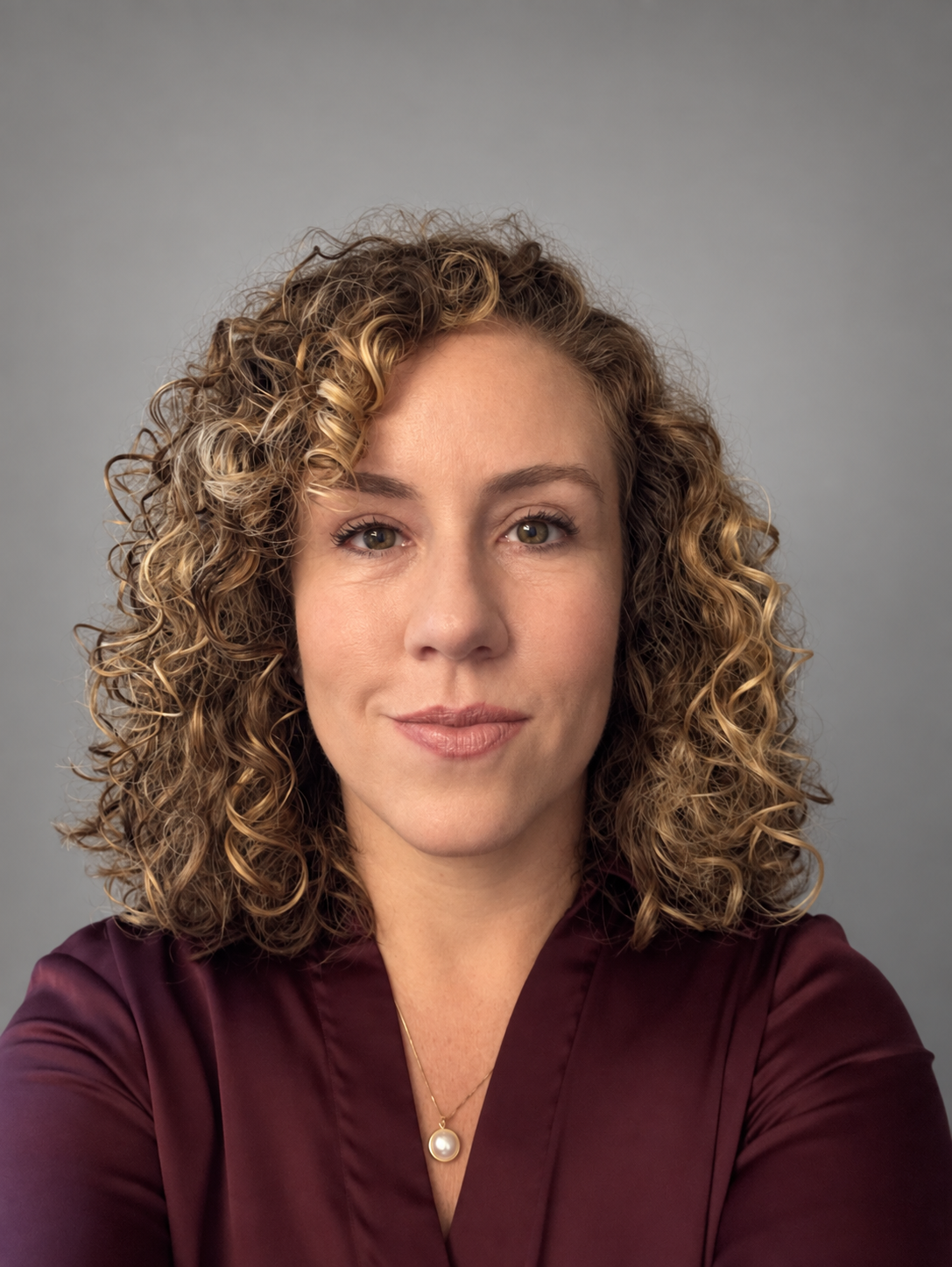
Karla Renata Flores Romero
Research Data Analyst, Department of Epidemiology and Biostatistics, UCSF
Can you describe the research you’re working on as part of TIME-AD?
As part of TIME-AD, I work with the Social Isolation group. Recently, I’ve been looking at how social isolation and loneliness relate to blood-based biomarkers of Alzheimer’s disease and related dementias (ADRD) using data from the Health and Retirement Study. I’m also working on a project comparing how social isolation and its different components are measured across several aging studies and how those differences may affect estimates of how common social isolation is. In addition, I contribute to the Cognition, Exposures, and Covariates (CEC) core, where I help harmonize measures across large longitudinal aging studies so we can better compare and triangulate findings across datasets.
What’s been the most exciting or rewarding aspect of your research to date?
One of the things I enjoy most about my work is tackling complex questions using large longitudinal datasets. These questions often require sophisticated analyses and people with different areas of expertise, so I really enjoy the collaborative side of the research. I get to learn from brilliant people who approach the same question from different perspectives, and it’s especially rewarding to work with people who genuinely care about making a difference in aging and health.
Why is your work important, and what do you wish more people understood about it?
I think one thing that isn’t always visible is how much goes into turning a seemingly straightforward research question into a rigorous analysis. Once you start digging into the data—how and when things were measured, who was asked, and how those measures changed over time—things can get complicated very quickly! My role spans different parts of the analytic process, from constructing and harmonizing measures to running analyses and interpreting findings. A big part of my work is connecting the research question to what the data can actually tell us—understanding its strengths and limitations and using that knowledge to guide the analysis.
If you could change one thing about how research is done or communicated, what would it be?
I would love to see research communicated in ways that are more accessible to everyone, not just the academic or scientific community. We spend so much time studying issues that directly affect people’s lives, but the findings can still be difficult to access or understand outside of academia. I think part of doing meaningful research is making sure that what we learn actually reaches the people and communities who could benefit from it.
What do you enjoy doing outside of work?
Outside of work, I love traveling, skiing, taking long walks with my dog, and spending time with family and friends.
What’s a fun fact about you that most people don’t know?
I’m a retired skydiver! I used to skydive regularly, but after becoming a mom, I decided it was time to keep my feet a little closer to the ground.