
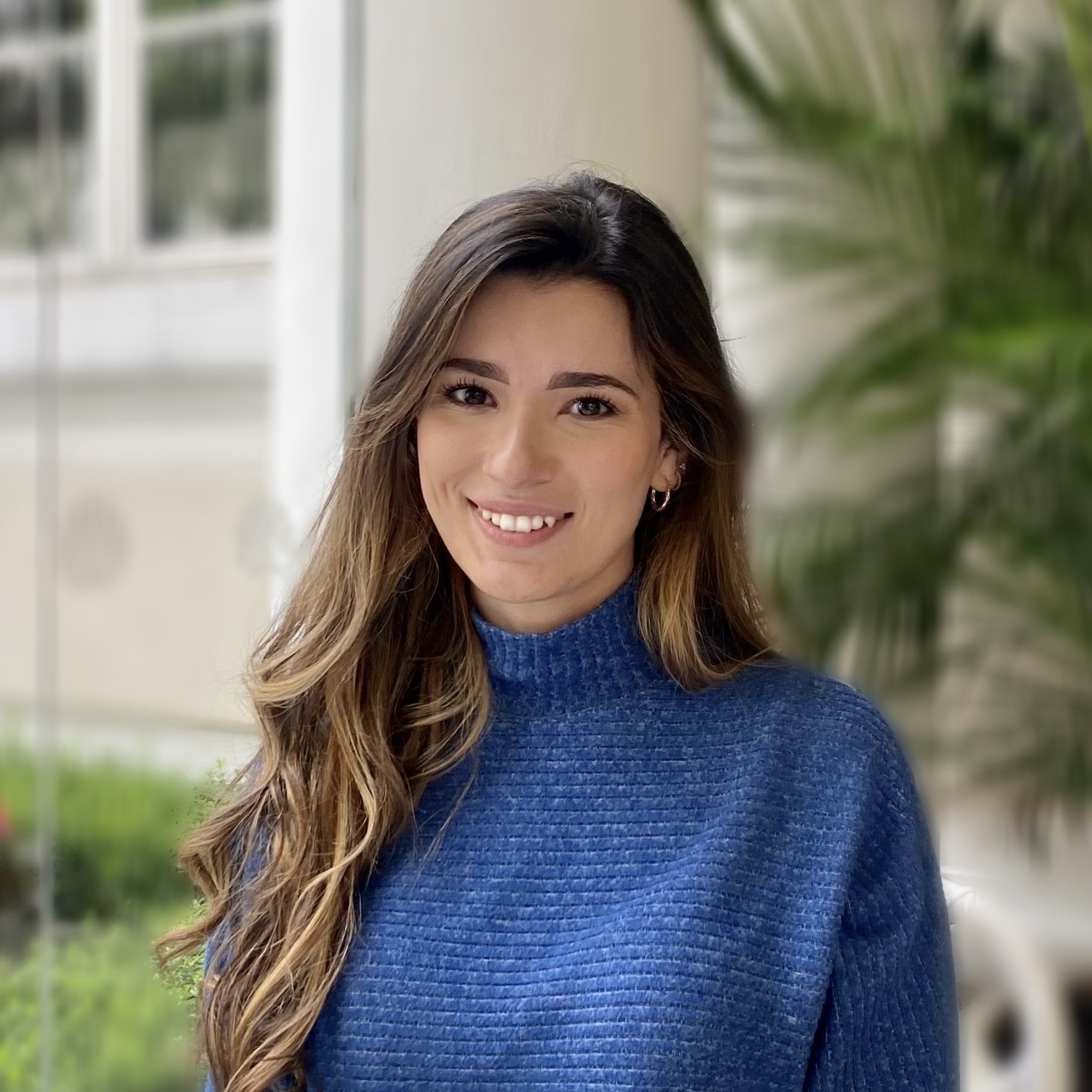
Sirena Gutierrez
Postdoctoral Researcher, UCSF
Can you describe the research you’re working on as part of TIME-AD?
Broadly, I investigate how education and other lifecourse factors may shape dementia risk, as well as whether they may buffer the effects of dementia-related pathology in the brain. More recently, I have been excited to collaborate on multiverse analyses of the education–dementia association, examining how different analytical and operationalization choices influence the robustness of our findings, which is critical for triangulating evidence across different sources of bias.
What’s been the most exciting or rewarding aspect of your research to date?
The most rewarding part of my research has been working alongside brilliant, generous collaborators. Generating research questions and designing analytic plans feels like solving a Rubik’s cube together, with each of us coming at it from a different angle, shaped by our own expertise and experiences. This kind of collaborative problem-solving feels especially important for the complex questions TIME-AD is tackling.
What inspired you to get involved in ADRD research?
My grandmother is living with dementia, and her experience made the unequal ways illness manifests in later life deeply personal to me. It showed me how disadvantages can compound across the lifecourse to shape who is able to age with dignity.
If you could change one thing about how research is done or communicated, what would it be?
I would make research more inclusive and community-grounded. Findings should be communicated clearly and directly to the people most affected, using accessible language, multiple languages, visual explanations, and trusted channels (e.g., various platforms and partners). I would also pair communication with advocacy so that people feel informed and empowered to act on modifiable risks and protect their brain health, rather than simply receiving statistics about dementia. Much of the current discourse focuses on documenting risk or disparities, often from a deficit perspective. I hope we can also research and highlight resilience mechanisms, because understanding what may protect people is just as important as understanding what puts them at risk.
What do you enjoy doing outside of work?
Outside of work, I love spending time outdoors and staying active. I am currently training for a half-marathon. I've also recently gotten into gardening. Most of all, I enjoy sharing good food with family and friends and giving my Yorkie, Leo, his best dog life.
What’s a fun fact about you that most people don’t know?
I once rode a bicycle from Texas to Alaska to raise money for cancer research and services.
If you weren’t a scientist, what do you think you’d be doing?
Part of me has always been drawn to advocacy, so I could see myself as a lawyer. My daydream, though, is running a cozy coffee shop, a place where I know the regulars by name and people come together for local events.